
"green coffee shipping"
1000 article(s) found

The discoloration process of roasting coffee beans-makes it easy for you to understand the changes of coffee beans
Many people think that coffee beans are born dark brown. In fact, raw coffee beans are green or cyan, because they still contain a certain amount of moisture. After the coffee fruit is processed and screened, it will be graded into sacks. Then mostly by ship, scattered to all parts of the world. After the raw coffee beans are transported to the coffee factory, they are roasted by a professional roasting machine, if

Coffee encyclopedia on the origin and growth of coffee beans
Coffee beans are developed in tropical or subtropical agricultural gardens with the equator as the center, called coffee belts, and travel to Japan with ships. When the brown coffee beans are presented in front of you now, in fact, it has been divided by the phosphorus category by the process and the hands of many people. Coffee is widely distributed in Naaman, Central America, West Indies, Asia, Africa, Arabia and Nancheng.
The key to distinguishing coffee beans
The name and specification indicate that the ● export port name can tell the shipping route from the export port name marked. Coffee from the same origin or the same brand has a certain route, so it is also exported from the same port. For example, if it is marked "Brazil." Santos, however, indicates that this is coffee exported from Santos, with the exception of those marked "Mocha". Part of the coffee produced by the leaf.

Basic knowledge of boutique coffee about coffee beans
Coffee beans grow in tropical or subtropical agricultural gardens around the equator, called coffee belts, and travel to Japan with ships. When the brown coffee beans appear in front of your eyes, they have actually gone through a variety of different circulation processes and the hands of many people. Coffee is widely distributed in South America, Central America, the West Indies, Asia, Africa, Arabia, the South Pacific and

Basic knowledge about coffee beans and fine coffee
Coffee beans grow in tropical or subtropical agricultural gardens around the equator, called coffee belts, and travel to Japan with ships. When the brown coffee beans appear in front of your eyes, they have actually gone through a variety of different circulation processes and the hands of many people. Coffee is widely distributed in South America, Central America, the West Indies, Asia, Africa, Arabia, the South Pacific and
Basic knowledge of high-quality coffee beans
Coffee beans grow in tropical or subtropical agricultural gardens around the equator, called coffee belts, and travel to Japan with ships. When the brown coffee beans appear in front of your eyes, they have actually gone through a variety of different circulation processes and the hands of many people. Coffee is widely distributed in South America, Central America, the West Indies, Asia, Africa, Arabia, the South Pacific and
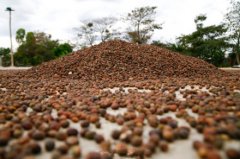
Understand that coffee beans grow around the equator
Coffee beans grow in tropical or subtropical agricultural gardens centered around the equator called coffee belts and travel to Japan with ships. When the brown coffee beans appear in front of your eyes, they have actually gone through a variety of different circulation processes and the hands of many people. Coffee is widely distributed in South America, Central America, the West Indies, Asia, Africa, Arabia,

What is the price of Yemeni coffee? what factors affect the price of coffee? how to buy Yemeni coffee?
Yemeni coffee can make headlines about its price. Understandably, they usually sell for more than $60 per kilogram of greens. But why is Yemeni coffee so expensive? How much do you really give to the producer? Why does it still provide value for the roaster? Many coffee producers in Yemen have small farmers.
Coffee encyclopedia how much do you know about coffee beans
Coffee beans grow in tropical or subtropical agricultural gardens around the equator, called coffee belts, and travel to Japan with ships. When the brown coffee beans appear in front of your eyes, they have actually gone through a variety of different circulation processes and the hands of many people. Coffee is widely distributed in South America, Central America, the West Indies, Asia, Africa, Arabia, the South Pacific and
Boutique Coffee Science about the growth zone of coffee beans
Coffee beans grow in tropical or subtropical agricultural gardens around the equator, called coffee belts, and travel to Japan with ships. When the brown coffee beans appear in front of your eyes, they have actually gone through a variety of different circulation processes and the hands of many people. Coffee is widely distributed in South America, Central America, the West Indies, Asia, Africa, Arabia, the South Pacific and

Coffee beans grow in countries that produce coffee beans at the center of the equator.
Coffee beans grow in tropical or subtropical agricultural gardens centered around the equator called coffee belts and travel to Japan with ships. When the brown coffee beans appear in front of your eyes, they have actually gone through a variety of different circulation processes and the hands of many people. Coffee is widely distributed in South America, Central America, the West Indies, Asia, Africa, Arabia,
Coffee berry picking-berry treatment-drying
The coffee beans we are talking about are actually the seeds of a fruit similar to cherries.
Coffee bean picking-berry treatment-drying
The coffee beans we are talking about are actually the seeds of a fruit similar to cherries.

About Green Coffee Beans Basic Knowledge Arabica and Robusta
A coffee tree can produce about 3-5 kilograms of coffee cherries and can be refined into one-fifth of the weight of green coffee beans. Among them, coffee cherries are transformed into green coffee beans by many hands and time. Arabica and Robusta Arabica accounts for about two-thirds of the world's coffee production and is not suitable for growing in areas with high temperature, low temperature, much rain and little rain. The beans are oval and flat

What is Indian coffee? The reason for the story of Indian monsoon Malaba coffee
Professional Coffee knowledge Exchange more information about coffee beans Please follow the story of Coffee Workshop (official Wechat account cafe_style) dating back to the 19th century, when India was still a British colony. Coffee produced from India is shipped to England. Before the opening of the Suez Canal, it was necessary to make a detour from India to Britain through the Cape of good Hope at the southern tip of Africa, across the Indian Ocean and Great Britain.
Boutique coffee-monsoon Malaba (Monsooned Malabar)
Monsoon Malaba, also known as wind-stained Malaba, is a characteristic coffee in India, with yellow and white color, fat bean shape, very low acidity, very thick viscosity, syrup-like taste, nutty and cereal flavors with a hint of spicy and chocolate aromas and unique dusty flavors. In the 17th and 18th centuries, India shipped coffee beans to Europe by sailboat, which took six months and raw beans.

The spread, History, Culture and Development of Coffee in America
Coffee was first drunk in North America in 1688, and soon after, cafes appeared in New York, Philadelphia, Boston, and other towns. The Boston riots of 1773 were planned in a cafe called Green Dragon. Both the New York Stock Exchange and the Bank of New York were founded in cafes, in what is now known as Wall Street, the financial district. The coffee is
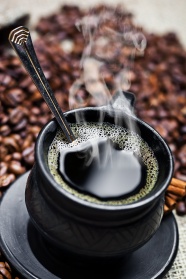
Panama Coffee-Panama Coffee-Panama Coffee
Highland-grown coffee is absolutely high quality, but plantation coffee is not yet available. Panama coffee beans in the sun Panama coffee beans in the sun Panama coffee is soft, light weight and balanced acidity, its high quality coffee beans pure flavor, full of character. The first batch of coffee exported each year is shipped in November, and almost all of the premium coffee beans are shipped to France and Finland.
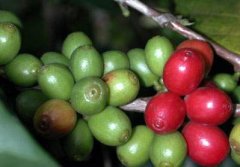
Coffee berries are picked and dried.
The coffee beans we are talking about are actually the seeds of a fruit similar to cherries. Coffee trees produce berries, called coffee berries, whose bright red color means they are ripe and ready to be picked. The fruit clustered on the branches. The outer skin (exocarp) of coffee berries is thick and bitter. However, the fruit (mesocarp) inside is very sweet and has the texture of grapes. And then there's parenchyma, which is like

How much is a cup of St. Helena's coffee? Introduction of St. Helena Sandy Bay Manor Sandy Bay Estate
Professional coffee knowledge exchange more coffee bean information please follow the coffee workshop (Wechat official account cafe_style) according to the world's ten most expensive coffee recommended by Forbes in 2006 are: rose coffee (Hacienda la Esmeralda Geisha), civet coffee (Kopi Luwak), St. Helena coffee (Island of St. Helena Coffee), El Injer